Ask ten travelers what to do in Peru and you’ll get ten different answers, because few countries pack this much variety into one destination. Ancient ruins, glacial mountain lakes and Amazon rainforest all sit within a few hours of each other by plane, something almost no other country in South America can claim.
Most itineraries build around three regions: Cusco and the Sacred Valley for history, the Andes for trekking, and the Amazon basin for wildlife most travelers never see anywhere else.
Machu Picchu and the Sacred Valley
No list of things to do in Peru skips this region, and for good reason. Machu Picchu anchors most first-time visits, but the surrounding Sacred Valley holds enough archaeological sites, markets and living Andean culture to fill several days on its own, from the Pisac ruins to the salt terraces at Maras.
Cusco itself, the historic Inca capital, blends colonial architecture built directly atop Inca stone foundations, along with a food scene that ranks among the best in South America.
Trekking the Andes
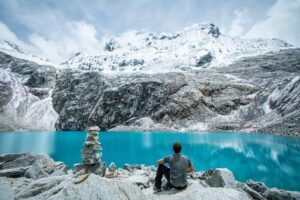
Beyond the classic Inca Trail, the region around Cusco offers treks for nearly every fitness level and interest, from the single-day hike to Humantay Lake’s turquoise waters to the demanding multi-day Salkantay and Choquequirao routes. Rainbow Mountain, just a few hours from Cusco, delivers striking mineral-striped scenery in a single day for travelers without time for a longer trek.
Further south, the Cordillera Blanca near Huaraz offers even more dramatic mountain scenery, including the Llanganuco Lakes and the celebrated Huayhuash circuit, for travelers willing to extend their trip beyond Cusco.
The Peruvian Amazon
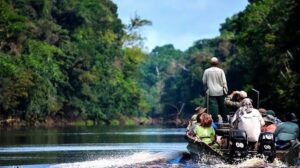
Few travelers realize how accessible the Amazon rainforest is from Cusco, with flights to jungle gateway towns like Puerto Maldonado taking under an hour. The Tambopata National Reserve delivers some of the most reliable wildlife viewing in the entire Amazon basin, including macaw clay licks where dozens of parrots and macaws gather to feed on mineral-rich clay.
Jungle lodges range from rustic to genuinely comfortable, most offering guided canoe trips along oxbow lakes, night walks that reveal an entirely different set of nocturnal wildlife, and canopy towers that put visitors at eye level with monkeys and birds most travelers only see in documentaries.
Coastal and desert Peru
Lima’s coastal cuisine scene has earned international recognition, and the desert oasis of Huacachina, a few hours south, offers sandboarding and dune buggy rides through some of the tallest sand dunes in South America. Nazca’s mysterious ground lines, visible only from the air, round out a coastal itinerary most travelers add on before or after their Andean trip.
Planning a trip that covers it all
Fitting mountains, ruins and rainforest into one trip requires realistic pacing, since altitude changes between Cusco and the Amazon demand a day or two of adjustment in each direction.
At Yeska Tours, we build itineraries that sequence these regions logically, pairing Cusco’s altitude with acclimatization time before any trekking, then dropping travelers into the lower-altitude Amazon for a change of pace before returning home. Our guides across each region bring genuine local knowledge that turns a checklist of attractions into a coherent trip.
Peru rewards travelers who resist the urge to rush between highlights. Slowing down enough to properly experience each region, mountains, valley, and jungle, delivers a far richer trip than trying to see everything in the shortest time possible.
How long to spend in Peru
A week gives most travelers enough time for the essentials: two or three days around Cusco and the Sacred Valley, a visit to Machu Picchu, and one shorter hike like Rainbow Mountain or Humantay Lake. That pace covers the highlights without feeling rushed, though it leaves little room for the Amazon or coastal Peru.
Ten to fourteen days allows a fuller trip, adding either an Amazon extension in Tambopata or a few days in Lima and the southern desert around Huacachina and Nazca. Travelers with three weeks or more can realistically combine all of it, including a multi-day trek like Salkantay or a side trip to the Cordillera Blanca near Huaraz, without feeling like any single region got shortchanged.
Getting around the country
Domestic flights connect Peru’s major regions efficiently, with Lima serving as the main hub for onward connections to Cusco, Puerto Maldonado and other regional airports. Overland travel between Cusco and the Sacred Valley works well by car or bus, given the short distances involved, but longer overland routes, like Cusco to Lima, eat up an entire day or more and rarely make sense compared to a short flight.
Altitude changes between regions deserve real planning, since flying straight from sea-level Lima into Cusco’s 11,000 feet without any adjustment time increases the risk of altitude sickness considerably. Building a rest day into the itinerary right after arriving in Cusco pays off more than almost any other single planning decision.