Most travelers picture the Peruvian Amazon as an extension of their Machu Picchu trip, but for many it becomes the highlight of the entire itinerary. Wildlife density here rivals anywhere in the Amazon basin, and access from Cusco takes under an hour by air.
Tambopata National Reserve, near the gateway town of Puerto Maldonado, anchors most tours, offering a concentration of macaws, monkeys and caimans that few other Amazon regions can match.
Getting there and choosing a lodge
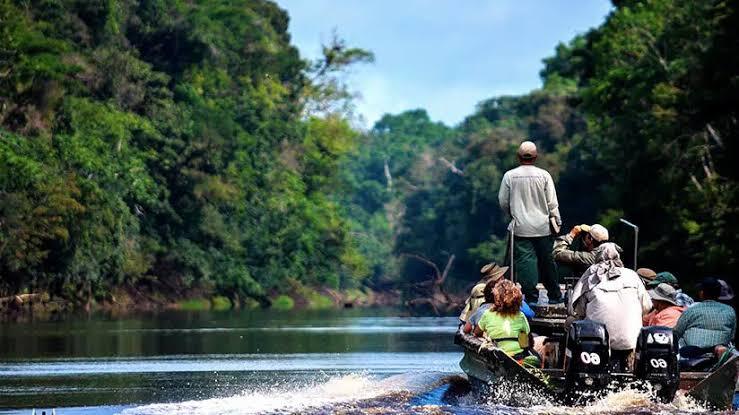
Flights from Cusco to Puerto Maldonado run frequently and take roughly 30 minutes, followed by a boat ride of one to several hours up the Madre de Dios or Tambopata River depending on how deep into the reserve your lodge sits. Lodges closer to Puerto Maldonado offer easier access, while those further upriver, deeper into the reserve, typically deliver better wildlife sightings.
Most lodges run on a full-board basis, including all meals and guided excursions, since independent exploration isn’t realistic or safe in dense rainforest. Room quality ranges from simple screened cabins to more comfortable options with private bathrooms and hot water, though nearly all embrace an open-air design that keeps guests connected to the surrounding forest sounds.
Wildlife you’ll actually see
Macaw clay licks rank among the Amazon’s most spectacular sights, where dozens of scarlet macaws, blue-and-yellow macaws and parrots gather each morning to eat mineral-rich clay that neutralizes toxins in their diet. Early departures, often before sunrise, give visitors the best chance at catching this display before the birds disperse.
Oxbow lakes formed by the river’s shifting course host giant river otters, caimans and an enormous variety of birdlife, typically explored by canoe for a quieter, closer wildlife experience than motorized boats allow. Night walks reveal an entirely different jungle, with tarantulas, tree frogs and nocturnal insects that daytime hikes never encounter.
Canopy towers, built around emergent trees that rise above the forest, put visitors at eye level with monkeys, toucans and the occasional sloth, a perspective ground-level trails simply can’t offer.
Best time for an Amazon tour
Dry season, from May through October, offers firmer trails and the strongest clay lick activity, since rain disrupts the macaws’ feeding behavior. Wet season, from November through April, floods sections of forest and opens new canoe routes through flooded trails, alongside noticeably increased fruit and wildlife activity in some areas.
Neither season is objectively better, and both deliver strong wildlife encounters, though first-time visitors chasing the classic clay lick experience tend to prefer dry season timing.
Packing and preparation
Lightweight, quick-dry clothing in neutral colors works best, since bright colors and heavy cotton both perform poorly in humid jungle conditions. Insect repellent with a strong DEET concentration, a headlamp for night walks, and waterproof bags for cameras and electronics round out the essentials most lodges recommend.
Booking your Amazon tour with Yeska Tours
Matching the right lodge and season to each traveler’s priorities makes the difference between a good jungle tour and an exceptional one.
At Yeska Tours, we work with lodges positioned specifically for strong wildlife access within the Tambopata reserve, and our guides know the clay lick schedules, canoe routes and night walk trails well enough to maximize sightings on every excursion. We also help travelers time their Amazon extension around their Cusco itinerary, so the altitude change works in their favor rather than against it.
Few destinations reward curiosity as consistently as the Peruvian Amazon, and travelers who add even two or three nights in Tambopata routinely rank it among the most memorable parts of their entire Peru trip.
Health and safety in the rainforest
Malaria risk in the Tambopata region runs low compared to other parts of the Amazon basin, though many travelers still consult a doctor before their trip regarding antimalarial medication, particularly for longer stays or visits during wetter months. Yellow fever vaccination is recommended for entry into much of the Peruvian Amazon and is sometimes required depending on your broader travel itinerary within South America.
Drinking water at lodges typically comes filtered or boiled, but bringing a personal water bottle with a built-in filter adds an extra layer of reassurance for cautious travelers. Basic first aid supplies, including antihistamines for insect bites and something for minor stomach upset, round out a sensible packing list beyond the usual jungle gear.
Guides carry satellite communication devices at most established lodges, given the remoteness of the reserve and the total absence of cell signal once you’re any real distance upriver. This matters less for peace of mind day to day and more as a genuine safety net, since professional lodges take this kind of preparation seriously precisely because the jungle itself doesn’t offer much room for error.